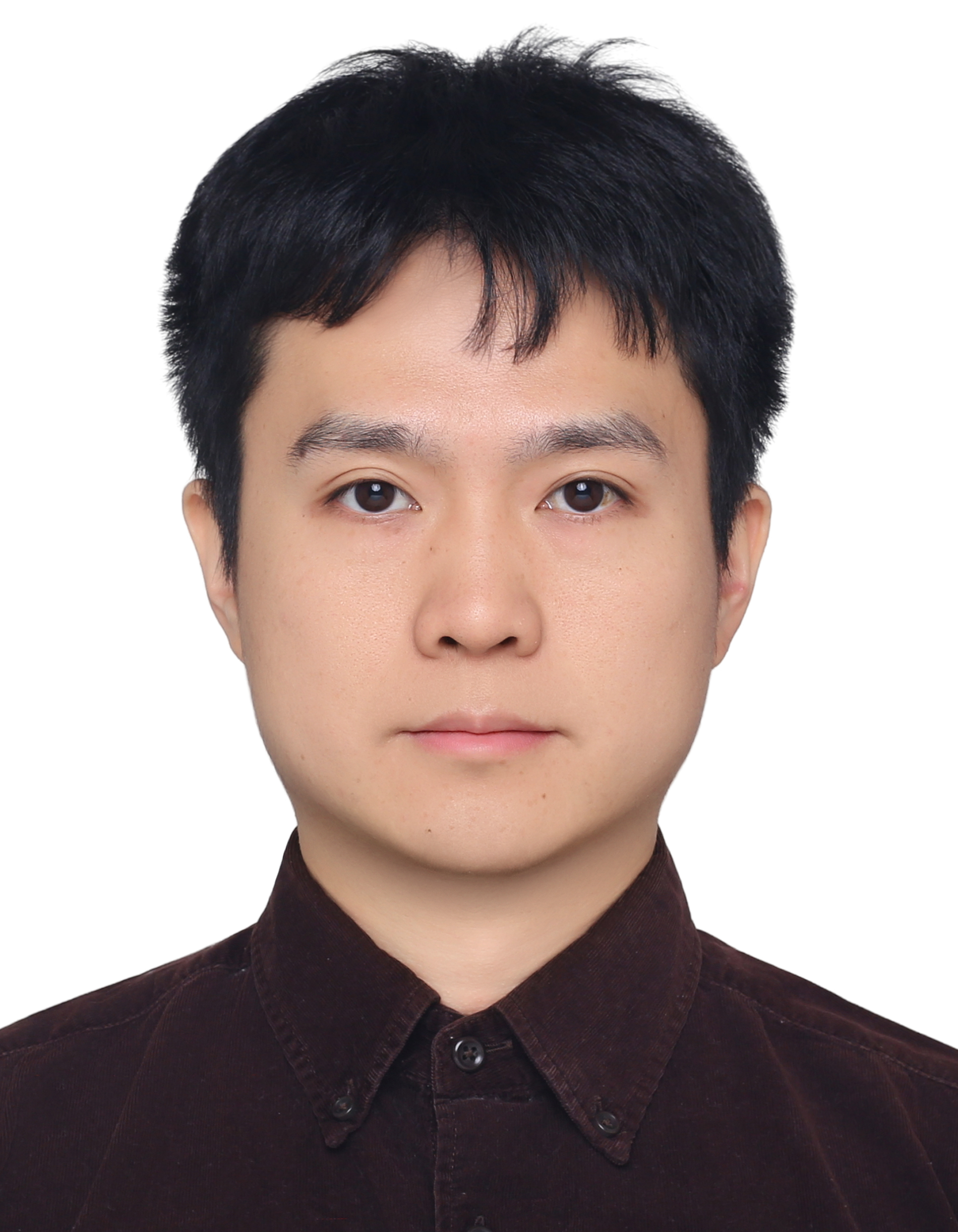
Wang-Zhou Dai
National Key Laboratory for Novel Software Technology
Nanjing University
The 18th Asian Conference on Machine Learning
01
The latest wave of AI including large language models, multimodal foundation models, and agent-based systems, has made machine learning far more capable, but it has also exposed persistent weaknesses. Neural models can be powerful predictors and generators, yet they often struggle with logical consistency, verifiable reasoning, controllable behavior, transparent decision processes, and robust long-horizon planning. Neuro-symbolic machine learning offers a principled route to these challenges by coupling neural representation learning with symbolic knowledge, rules, programs, and reasoning procedures.
NeSyML 2026 will bring together researchers who study the principles, algorithms, and applications of this integration. The program will revisit classical neuro-symbolic paradigms, including abductive learning, differentiable reasoning, semantic and logical constraints, verification-oriented learning, and programmatic knowledge induction. It will also examine how these ideas are being reshaped by modern foundation models.
A central goal of the workshop is to discuss how symbolic structures can make large models more reliable, explainable, and generalizable. Topics will include theoretical foundations, faithful multimodal understanding and generation, agentic systems, planning and decision making, etc. By situating these questions within the ACML community, the workshop will create a timely venue for exchanging ideas across machine learning, symbolic reasoning, trustworthy AI, multimodal learning, and intelligent agents.
02
04
Half-day workshop
05
National Key Laboratory for Novel Software Technology
Nanjing University

National Key Laboratory for Novel Software Technology
Nanjing University
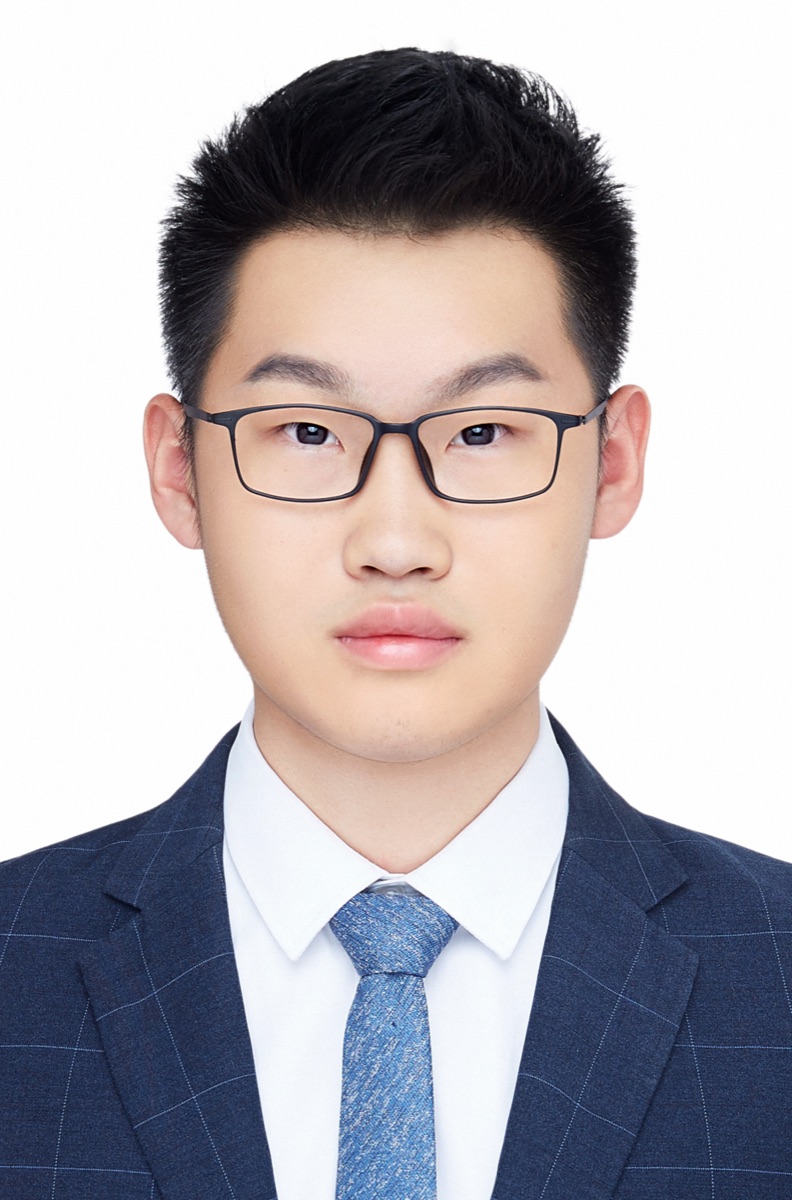
National Engineering Laboratory for Big Data Analysis and Applications
Peking University
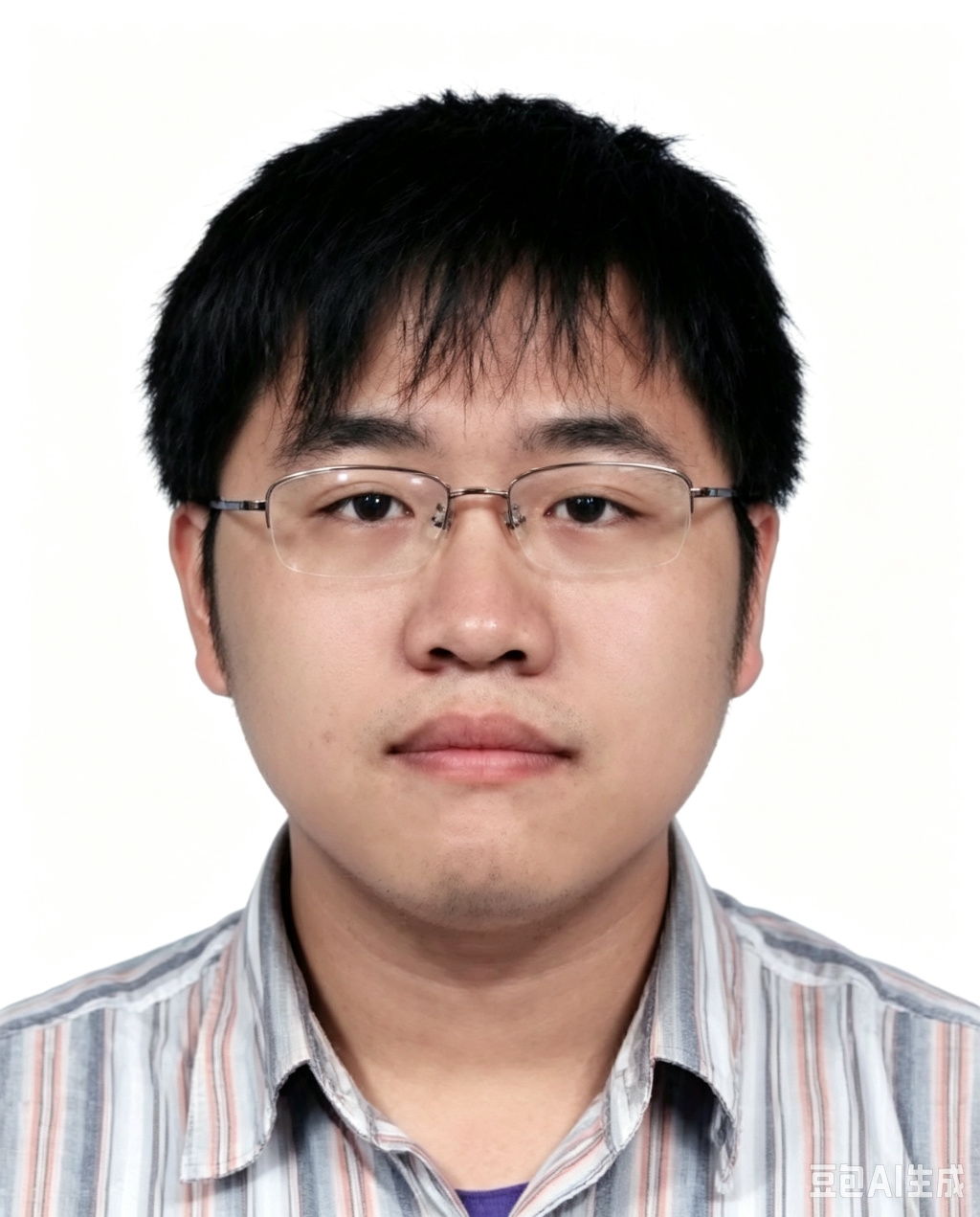
State Key Laboratory of CAD&CG
Zhejiang University
06